


Industry Status and Technological Development of Carbon Dioxide Recovery Equipment
Mar 18, 2026
Leave a message
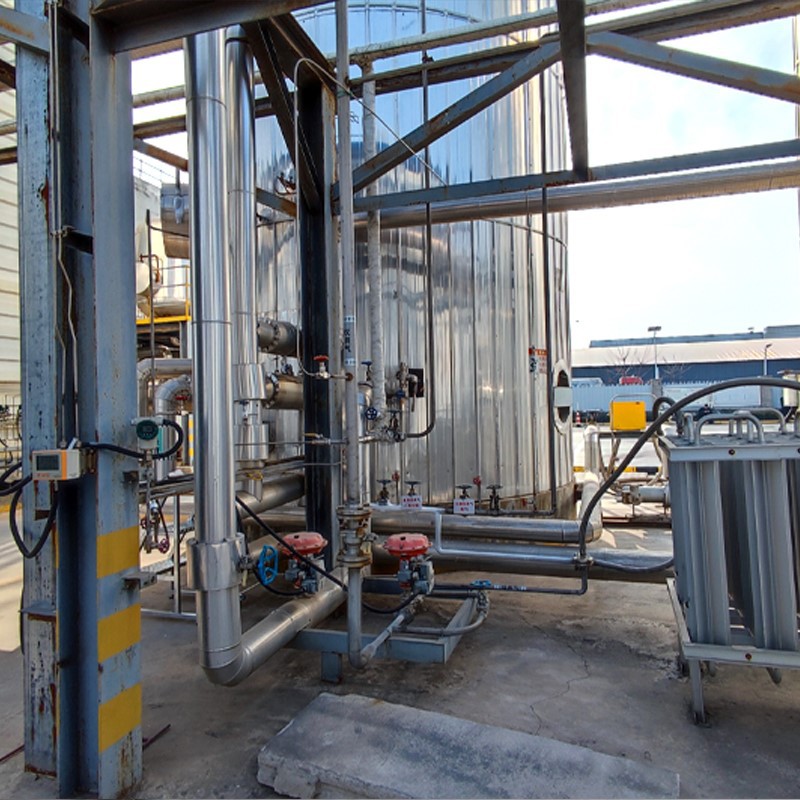
Carbon dioxide recovery equipment primarily relies on technologies for the capture and purification of CO₂ from industrial emission sources. Manufacturers typically collect carbon dioxide from industrial processes-such as those in the chemical, steel, and energy sectors-and process it through methods such as adsorption, compression, and liquefaction to ultimately produce high-purity liquid or solid carbon dioxide products.
Key recovery technologies utilized by CO₂ recovery equipment include physical adsorption, chemical absorption, and membrane separation. Currently, physical adsorption is widely employed due to its operational simplicity and lower cost; chemical absorption is suitable for capturing high-concentration carbon dioxide, though it entails higher energy consumption; meanwhile, membrane separation-an emerging method-offers energy-saving and environmental benefits but has not yet achieved widespread adoption on a large scale.
Technological advancements in CO₂ recovery equipment have led to a significant increase in recovery efficiency while simultaneously reducing energy consumption. By optimizing process workflows, some manufacturers have successfully achieved resource recycling and minimized secondary pollution. Nevertheless, the industry as a whole continues to face challenges, such as a lack of technical standardization and relatively high equipment maintenance costs.
Send Inquiry